Square Footage That Actually Gets Used
Basement Finishing and Remodeling in Yankton for unfinished spaces and underutilized areas reducing functional home capacity
Most basements sit empty except for storage and mechanical equipment, representing hundreds of square feet that could function as living area if moisture, temperature, and finish issues were addressed. Homeowners pursue basement finishing when growing families need additional bedrooms, when remote work requires dedicated office space, or when recreational areas would reduce wear on main-level rooms. The process involves more than covering foundation walls and adding flooring—proper basement remodeling requires controlling moisture that migrates through concrete, insulating to comfortable temperature levels, and designing layouts that work around support columns, ductwork, and ceiling height limitations. Moser Construction manages basement projects throughout Yankton by assessing each space for moisture issues before finish work begins, preventing the mold growth and material failure that plague improperly prepared basement renovations.
Finishing work includes installing moisture barriers on walls and floors, framing partition walls for defined rooms, running electrical and HVAC to support new uses, then adding insulation, drywall, flooring, and trim that match the home's existing finishes. Layout planning accounts for egress requirements when bedrooms are included, ceiling clearances around ductwork and beams, and access panels that maintain serviceability for plumbing and electrical systems.
Request a basement consultation to evaluate moisture conditions and discuss layout options that maximize usable area within your existing foundation.
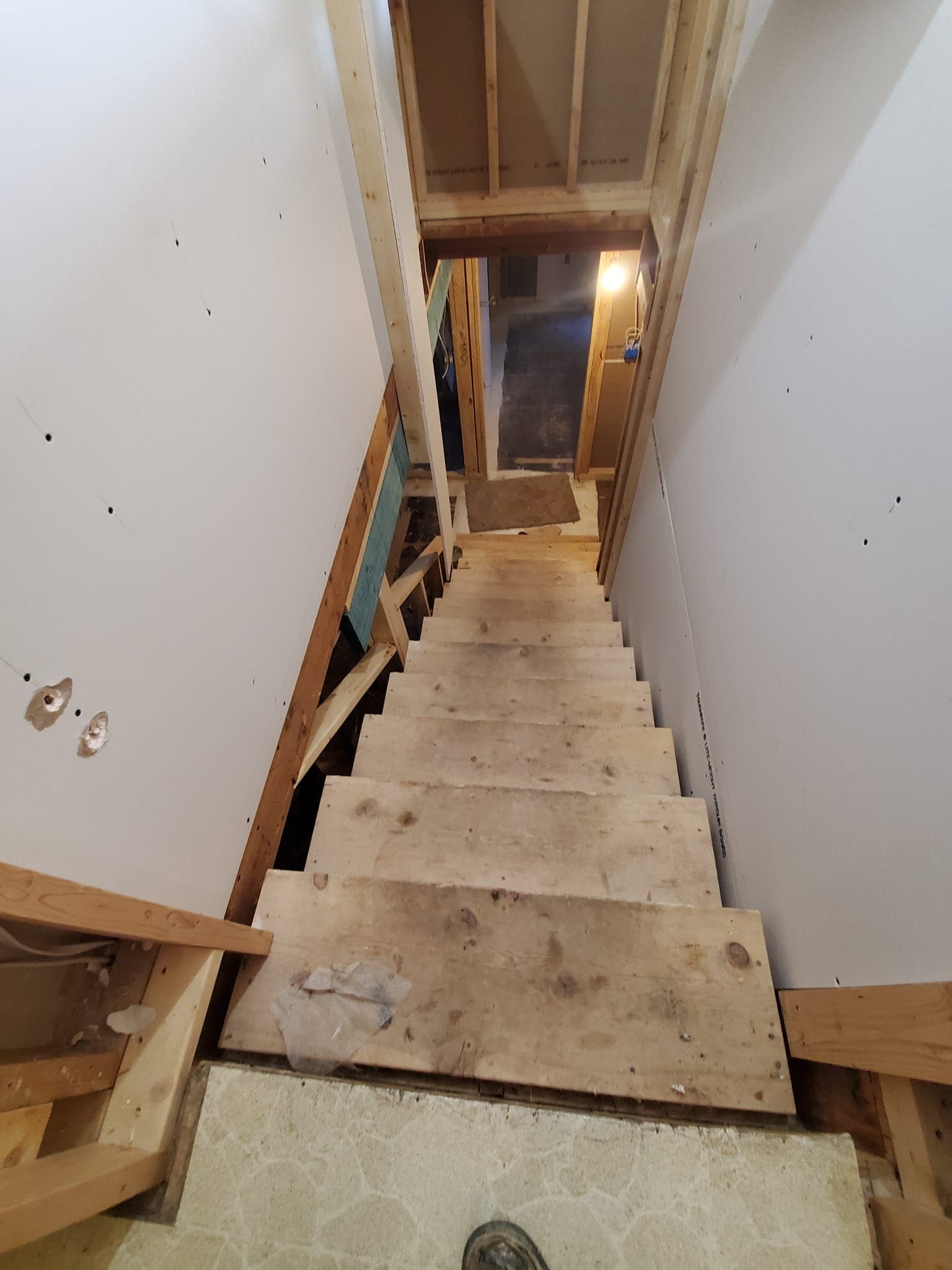
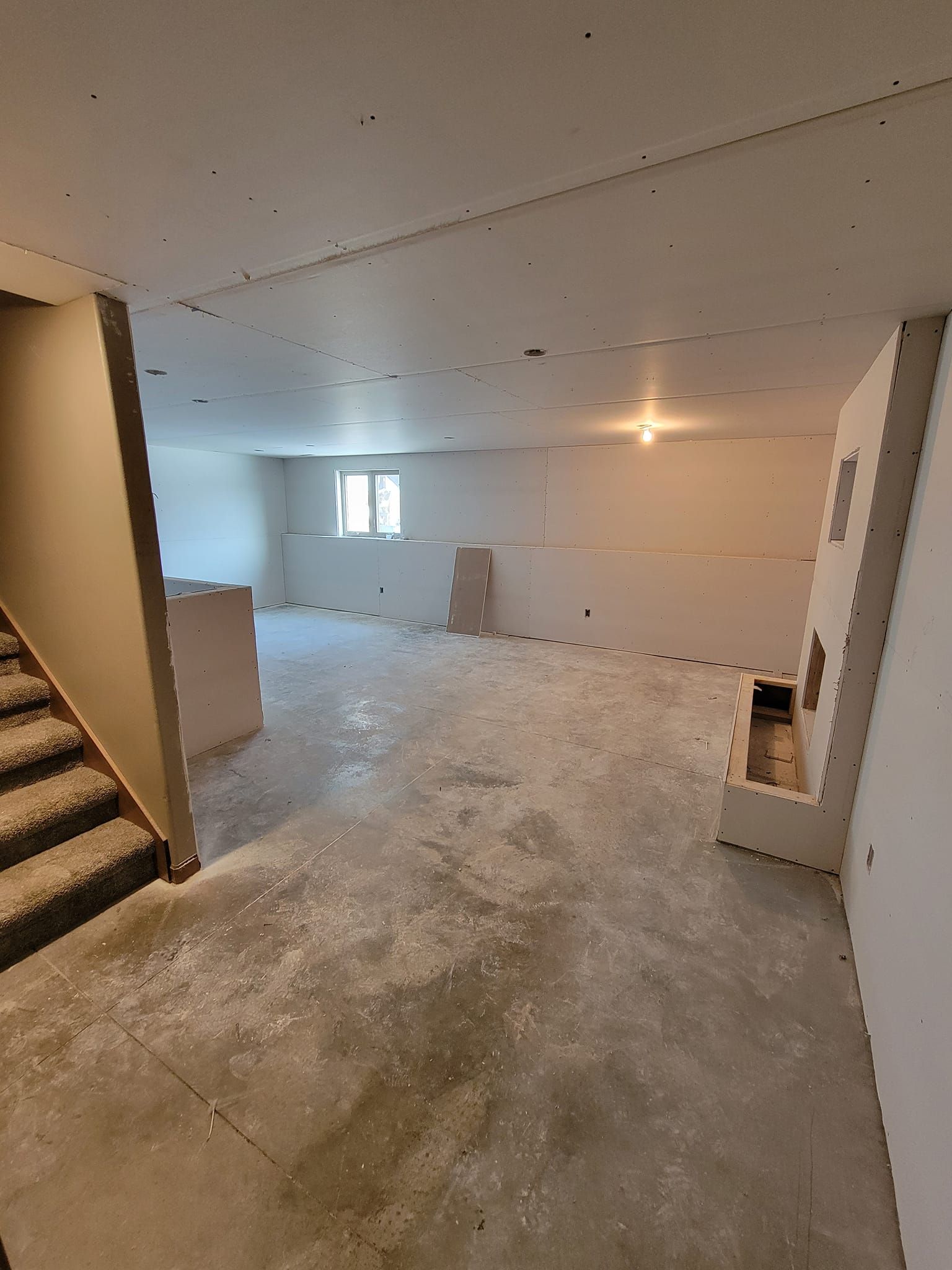
Basement finishing fails when moisture isn't controlled before walls close in—condensation forms behind vapor barriers installed on the wrong side of insulation, water wicks up through unsealed concrete floors, or humidity from laundry areas spreads unchecked into finished spaces. Proper preparation includes testing concrete for moisture transmission, sealing cracks where water enters during heavy rain, and installing dehumidification when ambient moisture levels exceed what standard HVAC systems remove.
After finishing completes, basements maintain comfortable temperatures year-round as insulation prevents the damp chill common in unfinished spaces, and new rooms provide functional area that reduces crowding on main floors. Lighting eliminates the dim atmosphere that makes unfinished basements uninviting, and finished ceilings with accessible panels preserve service access while creating the clean appearance that defines living space rather than utility areas.
Basement layouts also need to consider future flexibility—finished spaces initially designed as playrooms eventually transition to teen hangouts, home theaters, or guest suites as household needs evolve. Planning for adequate electrical capacity, sound control between basement and main floor, and doorway widths that allow furniture movement prevents costly modifications later when room purposes change.
What Property Owners Usually Ask
Basement finishing involves structural and code considerations that homeowners need explained before committing to projects.
What moisture testing should happen before basement finishing begins?
Concrete moisture testing using calcium chloride kits or electronic meters determines whether vapor barriers are necessary and whether additional waterproofing steps are required before flooring installation proceeds.
How does Yankton soil affect basement moisture levels?
Clay-heavy soils common in South Dakota retain water and create hydrostatic pressure against foundation walls, making exterior drainage and interior moisture control especially important for preventing dampness in finished spaces.
Why do finished basements require separate HVAC zones?
Basements naturally run cooler than upper floors, and without dedicated temperature control, they remain uncomfortable during summer months when cold air sinks and during winter when heat rises away from below-grade spaces.
What ceiling height is needed for comfortable basement rooms?
Most building codes require minimum 7-foot ceilings, though 8 feet or more creates spaces that feel less confined, and planning around ductwork and beams often determines which layouts achieve necessary clearances.
Can basement bedrooms be added without egress windows?
No, bedrooms require emergency egress openings with minimum dimensions for escape and rescue access, which usually means installing larger windows or walk-out doors that meet code requirements for size and accessibility.
Moser Construction offers free basement finishing consultations that assess structural conditions, review code requirements, and explain layout options suited to your intended use. Call (605) 661-9324 to discuss transforming unused basement area into functional living space that adds value and capacity to your home.